
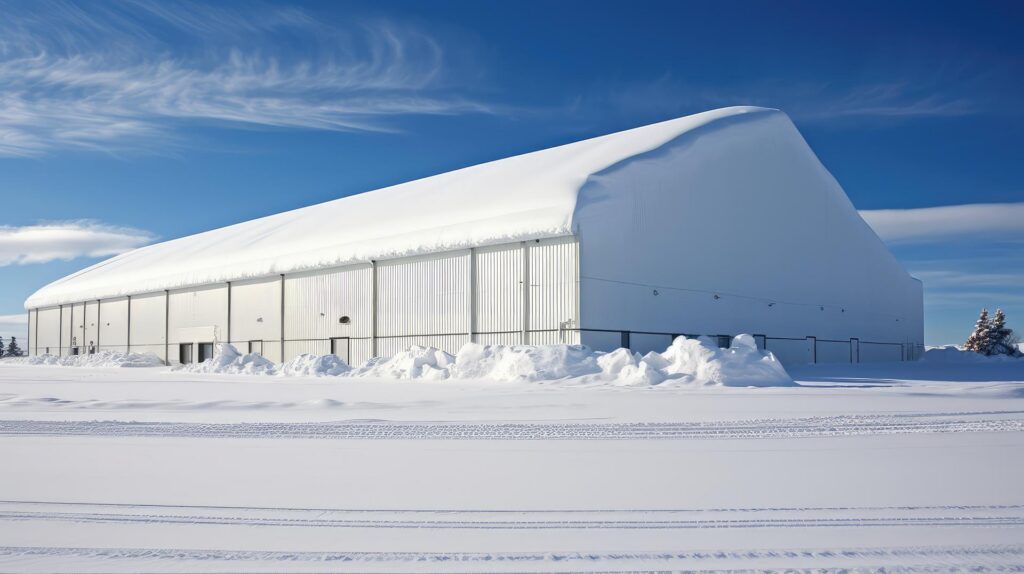
Designing for snow isn’t optional in Southern Idaho—especially for wide-span pole barns, shops, and barndominiums
Ground snow load vs. roof snow load: the distinction that matters
Roof snow load is rarely a simple copy of ground snow load. It’s adjusted based on factors like roof slope, exposure to wind, thermal conditions (heated vs. unheated), risk category/occupancy, and drift conditions around higher roof lines or nearby taller structures.
What Boise-area jurisdictions may reference for snow loads
Because requirements can vary by city vs. county (and sometimes by elevation or mapped zones), a practical approach is to treat the local snow load as a permitting “must confirm” early in the process—before trusses are ordered or a kit is finalized.
“Requirements” that affect your pole barn design (beyond the psf number)
Did you know? Quick snow-load facts Idaho builders watch closely
Helpful comparison: why “Idaho snow load” isn’t one number
| Area (examples) | Why snow loads differ | Practical design takeaway |
|---|---|---|
| Treasure Valley (Boise / Meridian / Nampa) | Lower elevation, different storm patterns | Confirm local jurisdiction criteria early; drift/unbalanced loads still matter for wide spans |
| Magic Valley (Twin Falls area) | Different regional climate and published criteria in some cities | Don’t reuse Boise assumptions; use the city/county design criteria for your permit set |
| High-elevation mountain towns (McCall and similar) | Higher snowfall and persistent snowpack | Engineering is critical; trusses, connections, and drift design often govern |
Step-by-step: how to make sure your Boise-area pole barn plans meet snow-load expectations
Step 1: Identify your permitting jurisdiction (city vs. county)
Step 2: Confirm the design snow load inputs (don’t stop at Pg)
Step 3: Design the roof system as a system (trusses + purlins + connections)
Step 4: Plan for real-life Idaho snow management
Local Boise angle: what makes Treasure Valley builds unique
Wide doors and open interiors often mean long-span trusses (snow loads matter more). Heated shops change thermal assumptions. Attached lean-tos and porch roofs introduce drift and sliding snow concerns. If you’re building near foothills, your site elevation and wind exposure can also change what “works” compared to a similar building across town.
Cascade Custom Construction builds across Southern Idaho, and we’re used to tailoring designs to the realities of each site—whether that’s Boise, Meridian, Eagle, Nampa, Caldwell, or beyond.