

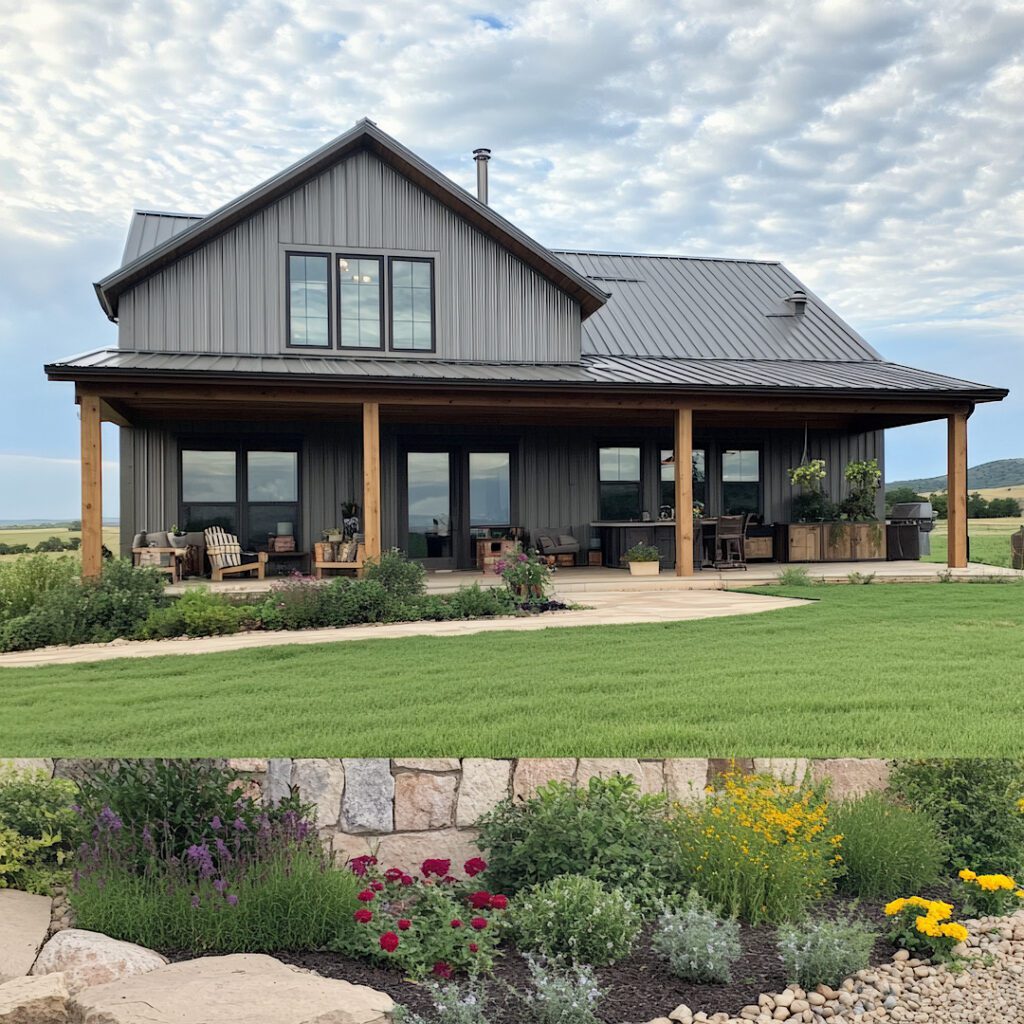
Building a barndominium in Valley County, Idaho, has become an increasingly popular option for property owners who want flexible living space, durability, and efficiency in a rural mountain environment. Cascade Custom Construction has worked extensively throughout Valley County and understands that success with this type of project depends less on inspiration and more on preparation. Permitting, zoning, engineering, and site feasibility all play a critical role in whether a barndominium project moves forward smoothly or becomes delayed and expensive. This guide is designed to clearly explain how the Valley County permitting process works in 2026, what requirements apply specifically to barndominiums, and what property owners should evaluate before committing to land or design.
This article applies only to unincorporated Valley County. Parcels located within city limits, such as McCall, Cascade, Donnelly, or other incorporated municipalities, follow city-specific building and zoning rules, which differ from county regulations.
Understanding Valley County Jurisdiction
Valley County is a large, predominantly rural county in central Idaho known for mountainous terrain, heavy snow loads, forested land, and agricultural zones. In unincorporated areas, building permits are reviewed and issued by the Valley County Building Department. Zoning and land use compliance are administered separately by Valley County Planning and Zoning. Both departments must approve a project before construction can begin.
The Building Department enforces Idaho-adopted building codes and oversees plan review, inspections, and final occupancy approvals. Planning and Zoning evaluates whether the proposed structure is allowed within the zoning district, whether setbacks are met, and whether overlays such as floodplain or wildfire protection zones apply. According to Valley County Planning and Zoning, zoning approval must be confirmed before a building permit can be issued, which means land-use compliance is not optional or secondary.
Barndominiums are not treated as agricultural buildings when they are used as residences. Instead, they are reviewed as single-family dwellings and must meet the same health, safety, and structural standards as conventional homes—standards commonly addressed during custom barndominium construction.
Zoning Rules That Affect Barndominiums
In Valley County, zoning districts determine whether residential use is allowed and under what conditions. Most barndominiums are permitted when the underlying zoning allows single-family residential structures. However, zoning compliance involves more than just allowed use.
Important zoning considerations include required setbacks from property lines and roads, maximum building height, lot coverage limitations, and access requirements. Many rural parcels also fall within overlay districts such as Wildland Urban Interface zones or floodplain areas. These overlays impose additional requirements related to defensible space, building materials, elevation certificates, or restricted building locations.
One of the most overlooked issues involves private covenants, conditions, and restrictions, commonly called CC&Rs. These are not enforced by Valley County, but they are legally binding. CC&Rs may restrict metal siding, prohibit shop-style buildings, or require specific architectural features. From real-world experience, many barndominium projects encounter issues only after design work begins because CC&Rs were not reviewed early. Verifying both zoning and private restrictions before purchasing land is one of the most important steps in the process and is covered in detail within this barndominium zoning and land suitability checklist for Idaho.
Lot Size, Land Feasibility, and Site Conditions
Valley County does not use a single minimum lot size for residential construction. Instead, feasibility is determined on a site-by-site basis. A parcel may appear large enough but still be unsuitable for a barndominium due to septic limitations, steep slopes, access constraints, or environmental overlays.
Septic feasibility is one of the most critical factors. Most rural parcels rely on on-site septic systems, which require suitable soil conditions, adequate separation from groundwater, and sufficient space for both a primary drainfield and a designated replacement area. The Idaho Department of Environmental Quality confirms that septic approval is entirely site-specific and not guaranteed, even on large parcels.
Terrain and slope also matter. Steep or irregular parcels may require engineered driveways, specialized foundations, or additional excavation, all of which affect cost and permit approval. Legal access is another frequent issue. A buildable parcel must have documented access that meets county and highway district standards.
Utility availability plays a major role in budgeting. Many Valley County parcels require extended power runs, private wells, propane systems, and sometimes off-grid solutions. In remote areas, utility extension costs can exceed expectations, particularly when trenching through rocky or mountainous terrain.
Structural and Engineering Requirements
Valley County enforces Idaho-adopted building codes, including the 2018 International Residential Code and the 2018 International Building Code, along with state amendments. Barndominiums must be engineered to meet the same residential standards as traditional homes.
Snow load requirements are especially important. Valley County snow loads vary significantly based on elevation and geographic location. Mountain valleys and higher elevations often require substantially higher roof load capacities than lower areas. The county typically requires structural engineering stamped by an Idaho-licensed professional engineer, particularly for post-frame or steel-frame structures.
Engineering must address foundation design, roof and truss systems, lateral bracing, wind loads, frost depth, and structural connections. Generic building plans or non-engineered kits are usually not accepted without site-specific engineering modifications—especially for projects using post-frame construction methods.
Post-Frame and Steel Barndominium Standards
Post-frame and steel-frame barndominiums are permitted in Valley County, but they must comply fully with residential engineering standards. The county does not allow non-engineered building kits that fail to account for local snow loads, wind exposure, and soil conditions.
Required submittals typically include engineered foundation plans, framing and connection details, truss calculations, and full plan sets stamped by an Idaho-licensed engineer. In practice, projects that integrate engineering early tend to move through plan review faster and encounter fewer revision requests.
Permitting Process in Valley County
Zoning and Land Use Verification: Planning and Zoning reviews setbacks, zoning compliance, overlay districts, and legal access.
Building Permit Application: Applicants submit a complete permit packet including site plans, engineering-stamped building plans, construction details, and energy code documentation.
Plan Review: County staff review structural, zoning, septic, and building code compliance. Additional information may be requested.
Permit Issuance: Once approved and fees are paid, the permit is issued.
Inspections: Inspections typically include footing, foundation, framing, mechanical, plumbing, electrical, insulation, and final occupancy.
Processing times generally range from two to eight weeks, depending on application completeness and county workload. This timeline aligns closely with the typical barndominium construction process in Idaho.
Permit Fees and Cost Considerations
Valley County calculates permit fees based on total project valuation. Fees may include plan review charges, inspection fees, zoning review costs, and health department approvals. According to the Valley County Building Department, permit costs vary significantly depending on project scope, making early cost planning essential—especially when evaluating a full barndominium cost breakdown in Idaho.
Septic Systems, Wells, and Utilities
Most Valley County barndominiums rely on individual septic systems and private wells. Well depth and drilling costs vary widely by location. Septic approval depends on soil testing, slope, groundwater conditions, and setback compliance. Utility connection costs depend heavily on distance from existing services and terrain conditions.
Common Red Flags That Delay Projects
Recurring issues include parcels located inside city limits, restrictive CC&Rs, floodplain or wildfire overlay conflicts, steep terrain, septic infeasibility, long utility extensions, and reliance on non-engineered building kits. Identifying these issues early helps prevent delays and budget overruns.
Why Local Experience Matters
Cascade Custom Construction brings local knowledge of Valley County’s permitting process, snow load requirements, terrain challenges, and zoning expectations. In mountain regions, experience with site-specific conditions often determines whether a project proceeds efficiently or encounters repeated setbacks. Property owners working with experienced barndominium builders in Idaho benefit from fewer permitting surprises and more predictable timelines.
Frequently Asked Questions
Are barndominiums legal in Valley County?
Yes. Barndominiums are legal in unincorporated Valley County when zoning allows single-family residential use and all building and health requirements are met.
Can I build a barndominium on agricultural land?
Often yes, but zoning details, setbacks, and overlays must be reviewed for each parcel.
Does Valley County allow metal siding on homes?
The county allows metal siding, but private CC&Rs may restrict its use.
How long does the permit process take?
Most permits are processed within two to eight weeks, depending on application quality and workload.
Do I need an engineer for a barndominium?
Yes. Valley County typically requires plans stamped by an Idaho-licensed engineer.
Building a barndominium in Valley County is achievable with the right preparation and understanding of local requirements. Early feasibility reviews, proper engineering, and informed planning reduce risk and help projects move forward smoothly. Property owners who take time to understand zoning, permitting, and site conditions are far more likely to enjoy a successful build without unnecessary surprises.