
From Traditional Storage to High-Performance Hub: The Evolution of Farm Buildings in Idaho
Across Magic Valley and the greater Boise area, the demands on Idaho’s agricultural sector are evolving. Modern farming is no longer just about land and labor; it’s about precision, efficiency, and maximizing every asset. Yesterday’s simple storage shed is giving way to sophisticated, multi-purpose structures designed for peak performance. The modern agricultural pole barn stands at the forefront of this evolution, offering a durable, flexible, and highly efficient solution for today’s forward-thinking farmers, ranchers, and agribusiness owners.
What Makes a Modern Pole Barn Different?
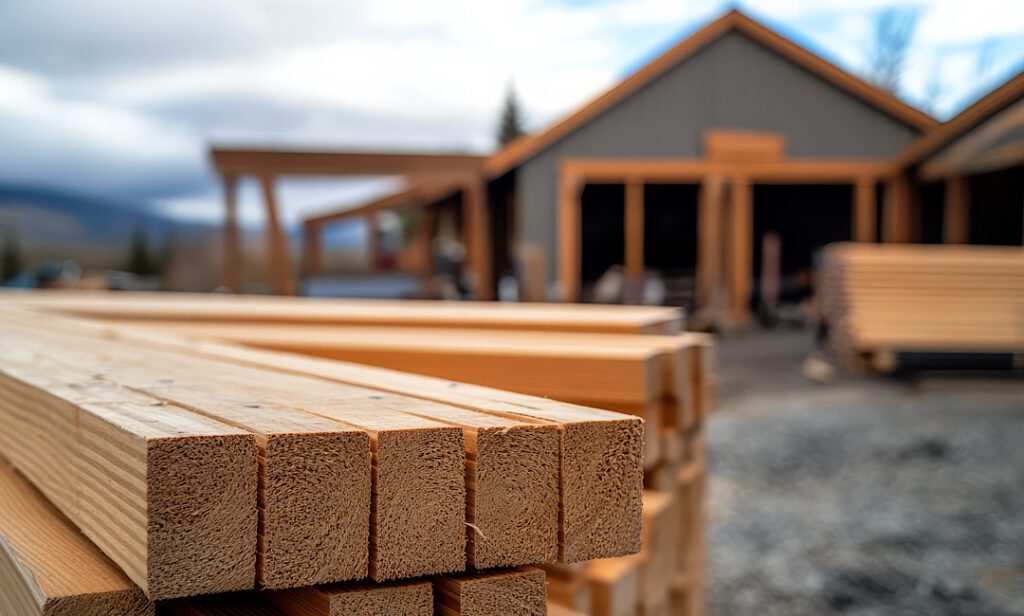
Unlike older outbuildings designed purely for storage, modern pole barns are engineered to perform as an integral part of daily operations. Built using post-frame construction, these structures offer tremendous design flexibility while maintaining cost efficiency. For agricultural professionals in Idaho, this means barns tailored to your unique crops, livestock, and equipment.
Key Features of Agricultural Pole Barns
- Clear-Span Interiors: The lack of interior columns maximizes usable space, allowing easy maneuvering of tractors, combines, and other large machinery.
- Climate Control: Modern insulation and ventilation options help regulate temperatures, protecting livestock and stored crops through Idaho’s hot summers and frigid winters.
- Energy Efficiency: Insulated walls, doors, and windows paired with efficient HVAC solutions reduce energy consumption while maintaining stable interior conditions.
- Durability: Engineered to handle Idaho’s challenging weather conditions—high winds, heavy snow loads, and seasonal extremes.
- Customization: Choose from endless design options including lofts, workshops, office spaces, or even partial residential quarters.
Comparison: Traditional vs. Modern Pole Barns
| Feature | Traditional Barn | Modern Agricultural Pole Barn |
|---|---|---|
| Structure | Wood framing with interior posts | Post-frame with clear-span design |
| Efficiency | Minimal insulation or energy features | Insulated, energy-efficient design |
| Usage | Basic storage | Multi-functional: equipment, livestock, crops, offices, workshops |
| Durability | Limited weather resistance | Engineered for snow, wind, and seasonal extremes |
Did You Know?
- Post-frame construction dates back to the 1930s, but today’s versions integrate advanced materials and engineering for greater efficiency.
- Pole barns can be erected more quickly and often more cost-effectively than traditional stick-built structures.
- Many Idaho farmers are incorporating smart technology into their barns—such as automated ventilation and climate systems—to improve efficiency.
Tailoring Pole Barns to Agricultural Needs
Every farming operation is different, and so is every pole barn we build. For dairy farmers, ventilation and sanitary finishes are a priority. For crop producers, insulated storage that maintains the right moisture levels is essential. For ranchers, barns with integrated livestock pens and feed storage streamline chores and improve animal welfare. Whatever your needs, the design flexibility of pole barns allows for highly customized solutions.
Built for Idaho: Why Pole Barns Excel in Magic Valley
Idaho’s Magic Valley is home to diverse and demanding agricultural operations. From Twin Falls to Jerome, farmers require buildings that work as hard as they do. Agricultural pole barns excel here thanks to their strength, efficiency, and adaptability. Designed to handle heavy snow loads and strong winds, they’re built to endure Idaho’s climate. And with energy-efficient designs, they reduce operating costs while protecting valuable assets.
Ready to Build Your Next Agricultural Pole Barn?
Cascade Custom Construction is proud to serve Idaho’s farming community with durable, efficient, and fully customized agricultural pole barns. Whether you’re expanding operations in Magic Valley or upgrading your facilities in Boise, we’ll design a building tailored to your needs and built to last.
Start Your ProjectFrequently Asked Questions
What is the primary advantage of post-frame construction for agricultural use?
The main advantage is the clear-span interior. The absence of interior support columns provides unmatched flexibility for storing large equipment, managing livestock, and adapting the space for different operational needs without structural limitations.
Can a pole barn be insulated for year-round use in Idaho?
Absolutely. The wide cavities between posts in a post-frame building are ideal for installing thick, effective insulation. When combined with an insulated door and window package, a pole barn can be made very energy-efficient for comfortable, year-round use.
How customizable are agricultural pole barns?
They are fully customizable. From the overall dimensions (width, length, and height) to the placement and size of doors, windows, and interior features like workshop areas or lofts, every aspect of a pole barn can be designed to fit your specific requirements.
What is the difference between a pole barn and a barndominium?
While both use post-frame construction, their primary use differs. An agricultural pole barn is designed for farming operations—storage, livestock, or workspace. A barndominium is a pole barn structure that includes a fully finished living space, combining a home with a shop or garage area.
Glossary of Terms
Post-Frame Construction: A building technique using large posts or poles embedded in the ground or mounted on a foundation, supporting roof and wall structures.
Clear-Span Design: A structure without interior support columns, maximizing open, usable space.
Snow Load: The weight of snow that a roof is designed to safely bear.
Barndominium: A pole barn that includes living quarters, blending residential and functional agricultural or workshop space.