
Climate Control Solutions for Idaho’s Four-Season Workshop Owners
A custom shop in Idaho is a valuable investment—whether used for storage, creative work, business operations, or recreational equipment. But to get the most from that investment, especially in winter and summer, proper insulation and climate control are essential.
Idaho’s climate presents challenges on both ends of the temperature scale: cold winters with deep frost and hot, dry summers. Uninsulated or poorly insulated shops can lead to condensation, frozen tools, high energy bills, or unusable work conditions during peak months. Insulating your custom shop correctly ensures it’s functional, efficient, and comfortable all year long.
This guide covers the most effective insulation types for Idaho’s conditions, explains climate control strategies, and helps determine the best combination for your shop’s size, structure, and use.
Why Insulation Matters for Idaho Shops
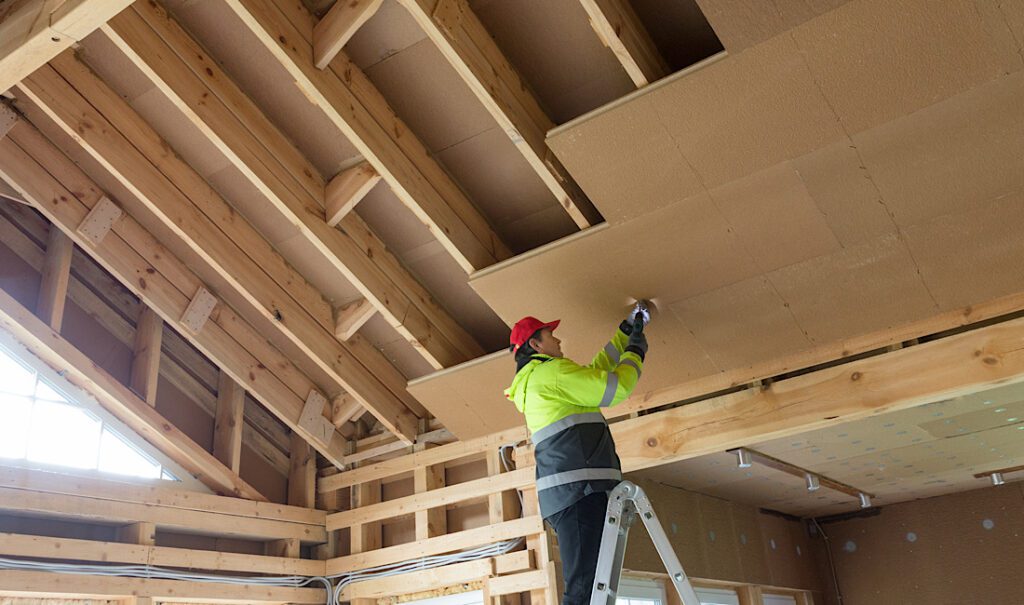
Even a well-built shop loses effectiveness without insulation. Heat and cold easily penetrate unsealed walls and metal roofing, creating dramatic internal temperature swings and increasing the risk of moisture buildup.
The key benefits of insulation include:
- Keeps shop temperatures stable during hot summers and subzero winters
- Protects tools, equipment, and vehicles from rust, freezing, and overheating
- Reduces energy use for heating and cooling systems
- Improves soundproofing and overall comfort
- Supports code compliance in climate-controlled or mixed-use buildings
Whether you’re planning a new build or retrofitting an existing space, insulation should be integrated as part of your overall shop design and not treated as an afterthought.
Comparing Shop Insulation Types
The best insulation system depends on your building’s framing, usage, and desired comfort level. Below is a side-by-side comparison of the most common insulation types used in Idaho’s custom shops.
| Insulation Type | Pros | Ideal For | R-Value (per inch) |
| Spray Foam | Air seals and insulates in one step | Shops with irregular framing, HVAC | R-6 to R-7 |
| Fiberglass Batts | Affordable, easy to install | Pole barns, garages, budget builds | R-3.5 to R-4.3 |
| Rigid Foam Board | High R-value per inch, moisture resistant | Slabs, ceilings, exterior walls | R-5 to R-6.5 |
| Radiant Barriers | Reflects heat; great for metal roofs | Summer cooling, hybrid builds | N/A (reflective, not R-rated) |
| Blown-In Insulation | Good for attics or wall cavities | Enclosed ceiling or retrofits | R-2.5 to R-3.7 |
Pro Tip: Combine insulation types for maximum efficiency. For example, use spray foam to seal joints and batts for wide wall spans, or pair rigid foam with a radiant barrier for dual-season control.
Design Tips for Year-Round Comfort
Insulation is only one part of a climate control strategy. To ensure year-round comfort in Idaho, plan for the entire system, from air movement to slab design.
Key planning strategies:
- Insulate the slab: Use rigid foam around perimeter footings to reduce heat loss
- Install vapor barriers: Critical in Idaho’s freeze-thaw cycle to prevent condensation under slab or behind walls
- Seal all penetrations: Outlets, lighting, and conduit gaps are major leak points
- Vent high points: Ridge vents or fans help release hot air in summer
- Consider radiant floor heating: Efficient for shops with high ceilings or large square footage
- Zone your space: Only heat/cool what you use regularly with mini-splits or ductless systems
Frequently Asked Questions
Is insulation really necessary for a storage-only shop?
Yes, especially if you’re storing items like paint, tools, fuel, or electronics. Temperature swings and moisture can damage even short-term storage items.
What’s the most energy-efficient option for Idaho winters?
Closed-cell spray foam offers the best air sealing and thermal resistance, though it comes at a higher cost. Combining batts with foam sealing is also effective.
Can I add insulation to an already-built shop?
Yes. Retrofitting can be done through blown-in insulation, adding batt panels, or installing foam board along interior walls. Sealing and ventilation should be evaluated at the same time.
Do Idaho building codes require insulation in shops?
Not always—but shops with heating systems, plumbing, or living quarters may need to meet energy code requirements. Cascade Custom Construction ensures code-compliant builds when needed.
Build Efficient, Build Smart
Proper insulation transforms a cold, drafty outbuilding into a year-round workspace that protects your equipment and supports daily comfort. Whether you’re building a new custom shop or upgrading an existing one, insulation planning is key to performance, durability, and savings.
Cascade Custom Construction helps Idaho shop owners select and install the right insulation strategy from the ground up. From spray foam to radiant-ready slabs, each build is tailored to its climate and use.
Call Cascade Custom Construction at 866-692-9383 to explore insulation options for your shop—and make your space ready for every season Idaho brings.