
Protect Your Dream Home from Idaho’s Wildfire Risk
Living in Idaho offers a unique connection to nature, from the rolling hills of the Palouse to the rugged mountains surrounding the Treasure Valley. But with this natural beauty comes the responsibility of being prepared for the environment, and that includes the very real threat of wildfires. As more people seek a lifestyle that blends rustic charm with modern durability, the custom barndominium has emerged as a popular choice. Beyond their striking aesthetics and flexible layouts, these structures offer an often-overlooked benefit: superior fire resistance.
Choosing to build a home in beautiful Southern Idaho means planning for longevity and security. A fire-resistant barndominium isn’t just a structure; it’s a proactive step toward protecting your family and investment, giving you invaluable peace of mind through every dry summer season.
The Built-In Advantages: How Barndominiums Resist Fire
The resilience of a barndominium starts with its core components. Unlike traditional wood-framed houses, many modern barndominiums are built with materials that are inherently non-combustible, creating a formidable first line of defense against flames and embers.
Steel Framing
The backbone of many barndos is a steel frame. Steel is non-combustible and has a melting point of approximately 2,500°F. This means it won’t ignite or add fuel to a fire. While extreme heat can affect its strength, it maintains structural integrity far longer than wood, providing critical time for evacuation and response.
Metal Siding & Roofing
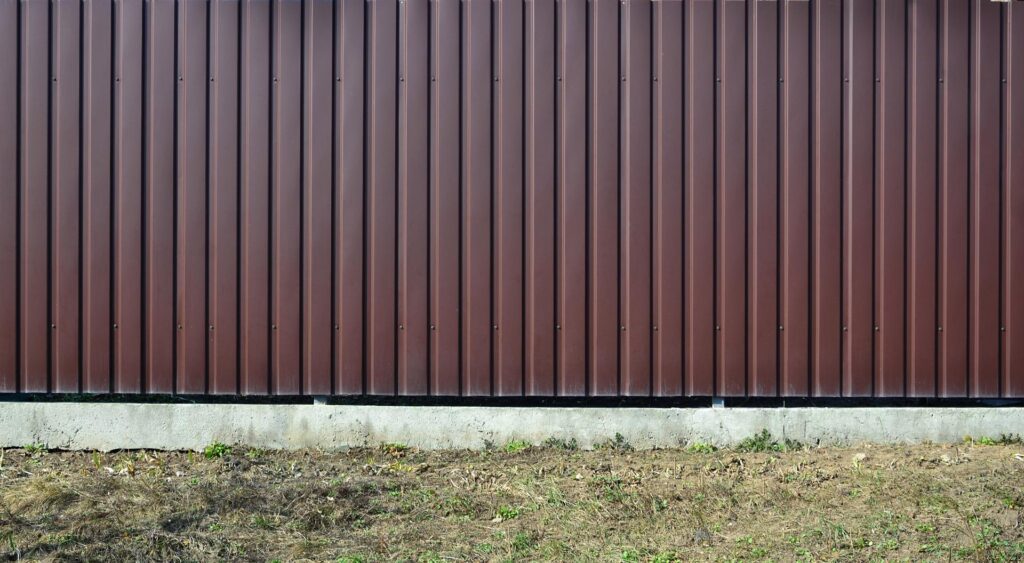
The exterior shell is equally important. Metal siding and roofing panels carry a Class A fire rating—the highest available. This rating means they are highly effective at resisting ignition from external sources, particularly wind-blown embers, which are responsible for the loss of most homes during a wildfire.
Concrete Foundations
Barndominiums are typically built on a concrete slab foundation. Concrete is another non-combustible material that creates a fire-proof barrier at the base of the home, preventing ground fires from creeping into the structure and providing a solid, stable base.
Enhancing Fire Protection in Your Custom Idaho Build
While the core materials provide a fantastic starting point, a custom build allows you to incorporate additional features to maximize your home’s fire safety. At Cascade Custom Construction, we can guide you through choices that further harden your home against fire.
- Fire-Resistant Insulation: Choosing insulation like mineral wool (rockwool) or fiberglass, which are non-combustible, can slow the transfer of heat and prevent fire from spreading within walls.
- Dual-Pane Tempered Windows: High-quality, dual-pane windows with tempered glass are much more resistant to breaking from radiant heat than single-pane windows, keeping flames and embers outside.
- Strategic Exterior Design: Simple rooflines without complex valleys are less likely to trap flammable debris. Enclosing eaves and soffits with metal materials can prevent embers from entering the attic, a highly vulnerable area.
- Fire-Rated Doors: Installing fire-rated doors between the garage and the main living space, as well as for main entry points, can help compartmentalize a fire and slow its spread.
Did You Know?
- According to the National Fire Protection Association (NFPA), embers and small flames are the primary cause of home ignition during wildfires, not the main wall of fire.
- Steel’s non-combustibility can sometimes lead to more favorable insurance premiums, especially in high-risk areas.
- Many custom shops and outbuildings can be constructed with the same fire-resistant principles, protecting valuable equipment and vehicles.
Beyond the Build: Creating a Defensible Space Around Your Idaho Home
A fire-resistant home is only one part of the equation. Creating a “defensible space” around your property is crucial for safety. This involves managing the landscape to reduce flammable materials that a wildfire could use as fuel.
Step 1: The Immediate Zone (0-5 feet)
This is the most important area. Clear this zone of all flammable materials. Use non-combustible landscaping like gravel, pavers, or concrete instead of bark mulch. Remove any dead plants, leaves, and overhanging tree branches from this area and ensure nothing is stored under your deck.
Step 2: The Intermediate Zone (5-30 feet)
In this zone, focus on “fuel breaks.” Mow lawns regularly and keep vegetation lean and green. Prune tree limbs so the lowest branches are 6 to 10 feet from the ground. Ensure there is adequate spacing between trees to prevent fire from jumping from crown to crown.
Step 3: The Extended Zone (30-100 feet)
The goal here is to interrupt the fire’s path and slow it down. Remove any accumulated dead vegetation and thin out trees and shrubs. This doesn’t mean clear-cutting your property, but rather managing it to reduce the overall fuel load.
A Practical Choice for Life in Southern Idaho
From Boise to Twin Falls, the unique climate of Southern Idaho makes wildfire preparedness a necessity. The hot, dry summers and expansive landscapes that we love also create conditions where fires can spread quickly. Opting for a fire-resistant barndominium or custom pole barn is a pragmatic approach to building a lasting legacy. It’s an investment in resilience, ensuring that your home is not just a beautiful place to live, but a secure sanctuary built to withstand the elements.
Ready to Build Your Strong, Secure Idaho Home?
Your dream home should be built to last. Partner with builders who understand the unique demands of the Idaho landscape. The team at Cascade Custom Construction is ready to help you design and build a beautiful, durable, and fire-resistant barndominium tailored to your vision.
Frequently Asked Questions
Are barndominiums completely fireproof?
No building is entirely fireproof, but barndominiums are highly fire-resistant. The use of steel framing, metal siding, and concrete foundations means the primary structural components will not burn. This significantly reduces the risk of ignition and structural collapse compared to traditional wood construction.
Can I still have a rustic or traditional look with a metal building?
Absolutely. Modern metal siding and roofing materials come in a vast array of colors, textures, and profiles. You can achieve finishes that mimic traditional wood lap siding, board and batten, or shingles, allowing you to have a classic aesthetic without compromising on the safety and durability of steel.
What’s the difference between a pole barn and a barndominium’s fire resistance?
Both structures can be built with highly fire-resistant exteriors using metal siding and roofing. The main difference lies in the frame. A pole barn uses large wooden posts as its primary support, which are combustible. Many barndominiums use a non-combustible steel frame, offering an even higher level of fire resistance at the core of the structure.
Where can I find more information about building codes?
Building codes can vary by county. During our planning process, we handle all the necessary checks to ensure your project complies with local fire safety and building regulations. For more general questions, you can also check out our FAQs page.
Glossary of Terms
Non-Combustible Material: A substance that will not ignite, burn, support combustion, or release flammable vapors when subjected to fire or heat. Examples include steel, concrete, and brick.
Defensible Space: The buffer you create between a building on your property and the grass, trees, shrubs, or any wildland area that surrounds it. This space is needed to slow or stop the spread of wildfire.
Class A Fire Rating: The highest fire-resistance rating for roofing and siding as classified by UL (Underwriters Laboratories). It indicates that a material is effective against severe fire test exposure.
Home Ignition Zone (HIZ): A concept developed by fire scientists, this zone refers to the home and everything around it out to 100–200 feet. It is the area where homeowners can take direct actions to prevent home ignitions during a wildfire.