

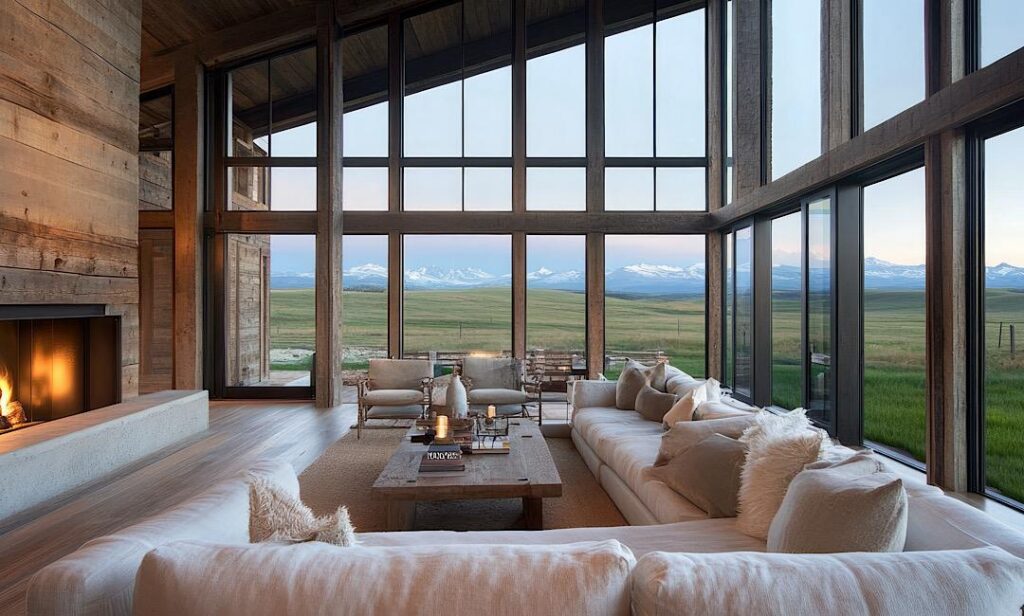
A modern “barn home” feel—without sacrificing comfort, efficiency, or function
Barndominiums have become popular in Southern Idaho because they can combine an open, airy home layout with the practical spaces Idaho homeowners actually use—shops, gear storage, RV bays, mudrooms, and flexible rooms for remote work. The best results come from planning the lifestyle first, then designing the building around it. This guide breaks down barndominium lifestyle design ideas for Boise and surrounding communities, with a focus on wood-framed, custom-built homes that feel warm, durable, and tailored to the way you live.
Quick note on terminology
“Barndominium” can mean different things depending on who you ask. Locally, most homeowners use it to describe a barn-inspired custom home that blends residential living with shop/utility space—often with a simple roofline, clean exterior, and highly functional interior layout.
1) Start with lifestyle zones (not square footage)
A strong barndominium plan usually feels “effortless” day-to-day because the home is organized into clear zones. Before you choose finishes or draw a floor plan, map how your household moves through the week—workdays, weekends, and outdoor seasons.
| Lifestyle Zone | Design Goal | Idaho-Friendly Features |
|---|---|---|
| Home (quiet) | Sleep, recharge, privacy | Bedroom wing, sound control, blackout options, efficient HVAC zoning |
| Home (social) | Gathering, cooking, hosting | Open kitchen + great room, pantry, big island, easy indoor/outdoor flow |
| Work | Focus and calls | Dedicated office, door separation from noisy areas, wired internet path |
| Shop / gear | Projects, storage, Idaho toys | Heated/conditioned options, durable slab, floor drains (where allowed), tall doors |
| Transition | Keep mess out of living space | Mudroom, boot wash area, laundry near entry, drop zone cabinetry |
If you’re a young professional in the Boise area balancing remote work with weekend trail time, the “work + transition + gear” zones often make the biggest quality-of-life difference. A great room can look amazing; a great mudroom makes the home easier to live in.
2) Design the shop like a real room (because you’ll use it like one)
In many Idaho barndominium builds, the shop isn’t an afterthought—it’s where hobbies happen, where outdoor gear lives, and where winter projects keep moving when it’s cold out. A shop that’s comfortable, bright, and organized tends to get used more (and keeps the house cleaner).
Plan for noise + dust control
Separate the shop from bedrooms, add a vestibule if possible, and consider door upgrades and air sealing strategies to keep fine dust where it belongs.
Make lighting a first-class decision
Daylight-friendly windows plus well-planned overhead lighting reduces eye strain and makes the space feel less like storage and more like a workshop you want to be in.
Future-proof power and access
Even if you don’t own every tool today, rough-in smart: outlets where benches will go, a clean route for data/internet, and practical door sizes for trucks, trailers, or RV storage.
Service spotlight
If your “barndominium lifestyle” is really about project space, storage, and hobbies, you may be a perfect fit for a dedicated custom shop build that complements your home plan.
3) Prioritize comfort: insulation, air sealing, and “real-life” durability
Boise has four distinct seasons, which means your building envelope matters. Lifestyle design isn’t only about open layouts—it’s also about staying comfortable when summer heat spikes or winter nights drop. A well-built, wood-framed barndominium can feel solid and quiet when insulation and air sealing details are planned early (not patched later).
High-impact planning moves
Align windows with how you live: Put bigger glass where you actually spend time (great room, kitchen, dining), and keep bedrooms calmer with more controlled daylight.
Think about drafts before finishes: Air leaks can make a new build feel “unfinished” even with premium interiors. Tight construction details help comfort and efficiency.
Use durable, cleanable materials in the transition areas: Mudroom floors, entry walls, and utility spaces take the daily hits—boots, bikes, wet dogs, snow melt. Put your tough finishes where life is toughest.
4) Layout ideas that work especially well for barndominiums
The “L-Shape” plan (home + shop)
Great for separating noise while keeping a short, covered path between house and shop. It can also create a sheltered patio or courtyard—useful for windy days and shoulder seasons.
The “Split Bedroom” plan
A simple way to make the home feel calmer: primary suite on one end, secondary bedrooms/guest suite on the other, with living space in the middle.
The “Gear-First” entry sequence
From garage/shop into mudroom, then laundry, then kitchen pantry. This keeps backpacks, ski gear, and dusty boots from migrating into the living room.
If you want more project inspiration before you commit to a floor plan, browse recent builds and projects and note what you like about entries, rooflines, porches, and shop integration.
5) Step-by-step: a practical planning checklist (from idea to build-ready)
Step 1: Write your “weekend + weekday” brief
List your top 5 weekday needs (quiet office, fast mornings, gym corner, etc.) and top 5 weekend needs (shop time, hosting, gear staging, trailer parking). This becomes your design north star.
Step 2: Decide how the shop relates to the home
Do you want direct interior access? A breezeway? Full separation? Your answer drives sound control, convenience, and how clean the living space stays.
Step 3: Plan “mess management”
Mudroom storage, a place for wet coats, a landing spot for packages, and a clear path for laundry will improve daily life more than another decorative feature.
Step 4: Confirm site realities early
Driveway grade, snow storage, sun exposure, drainage, and utility locations all influence where the home sits and how it performs.
Step 5: Align design choices with local permitting
Codes and requirements can vary by jurisdiction. A builder who works across Southern Idaho can help you design efficiently while meeting local expectations for structure, safety, and energy performance.
Want the builder’s perspective on common questions (timeline, process, and what to expect)? Visit Cascade Custom Construction’s FAQs.
6) Boise-area local angle: design for Idaho seasons and the way people live here
In and around Boise—whether you’re building in the Treasure Valley or on land that’s a bit farther out—homeowners often want a place that supports outdoor life. That can mean mountain bikes, skis, camping gear, boats, side-by-sides, or simply extra space to tinker.
Plan a true “winter entry”
Covered porch, durable flooring, and storage for boots/gloves help keep slush and grit under control.
Make outdoor space usable beyond summer
A sheltered patio, good lighting, and wind-aware placement can make spring and fall evenings far more comfortable.
Think about smoke season and indoor air
Ask about ventilation and filtration options during design so the home stays comfortable even when you’d rather keep windows closed.
If you’re specifically looking for a builder familiar with the Boise market, explore barndominiums in Boise and how custom builds are approached locally.
Ready to plan a barndominium that matches your Idaho lifestyle?
Cascade Custom Construction builds premium, wood-framed custom barndominiums, pole barns, stick-framed homes, and shops across Southern Idaho—guided by integrity, craftsmanship, and a clear process from design through construction.
FAQ: Barndominium lifestyle design (Boise & Southern Idaho)
Do barndominiums have to be steel-frame buildings?
No. Many “barndo-style” homes are wood-framed and designed to capture the same open, practical feel—often with barn-inspired exteriors and integrated shop space.
What’s the #1 layout mistake homeowners make?
Under-planning the transition spaces. Mudrooms, storage, laundry placement, and how you enter from the shop/garage affect daily life more than most people expect.
Should the shop connect directly to the living space?
It depends on how you use the shop. Direct access is convenient, but separation can improve noise control and keep fumes/dust out. Many homeowners choose a short buffer zone (mudroom or vestibule) as a best-of-both approach.
How do I design for remote work in a barndominium?
Prioritize a dedicated office with a door, plan a clean route for internet/data wiring, and keep the workspace away from the loudest zones (shop, main living room, or mechanical areas).
Can a barndominium still feel high-end and “custom”?
Absolutely. A simple exterior can still support premium interiors—custom cabinetry, well-designed lighting, thoughtful built-ins, durable finishes, and a floor plan that feels intentional rather than trendy.
Optional glossary
Building envelope
The parts of the home that separate indoors from outdoors—walls, roof, windows, doors, and the air sealing/insulation details that affect comfort and efficiency.
Air sealing
Methods used to reduce uncontrolled air leakage (drafts) through gaps and joints, improving comfort and helping heating/cooling systems work better.
Mudroom
A transition space—often near the main entry or garage/shop entry—designed for boots, coats, bags, and gear so the rest of the home stays cleaner.
Vestibule (buffer zone)
A small in-between space (often with doors on both sides) that helps control noise, temperature loss, and dust between the shop/garage and living areas.
Learn more about Cascade Custom Construction’s approach and values on the About page, or review their commitment to craftsmanship on Our Guarantee.