
When planning a barndominium in Idaho, the cost of the building itself is only part of the financial picture. For most rural properties, the largest and least predictable expenses come from utilities and site preparation. Buyers are often drawn to lower land prices, only to discover later that wells, septic systems, power extensions, trenching, and rock excavation can dramatically alter the total project budget. Cascade Custom Construction works with Idaho landowners who want realistic expectations upfront, because understanding barndominium utilities in Idaho is critical to avoiding financial surprises.
Idaho remains an attractive state for rural barndominium builds due to land availability, flexible zoning in many counties, and long-term value. However, unlike subdivision lots, rural parcels typically shift infrastructure responsibility entirely to the buyer. According to the Idaho Department of Labor, rural residential construction continues to increase statewide, but utility and site prep costs have risen steadily due to labor shortages, fuel prices, and material inflation. This guide breaks down Idaho rural utilities using 2026-adjusted cost ranges and explains how each component affects the true cost of building on raw land.
Why Rural Utility Planning Matters More Than Land Price
The Hidden Cost of “Affordable” Land
Raw land often appears inexpensive because it lacks infrastructure. While a parcel may be priced attractively per acre, it may have no power, no water source, no septic approval, and no graded access. From firsthand experience, many buyers underestimate how quickly these costs accumulate.
A parcel purchased for $90,000 can easily require another $80,000 to $150,000 in utilities and site prep before construction begins. This is why evaluating barndominium utilities in Idaho early is just as important as evaluating zoning or layout.
Inflation and Regional Cost Differences
Utility costs in Idaho are not uniform. Valley locations with deep soils and nearby infrastructure are typically less expensive than foothill or mountain parcels, where rock excavation, longer power runs, and complex access are common. Inflation since 2023 has further widened this gap, making location-specific planning essential—especially when reviewing a full barndominium cost breakdown in Idaho.
Cost of a Well in Idaho (2026)
Typical Well Drilling Costs
Most rural barndominium projects in Idaho rely on private domestic wells. As of 2026, the cost of a well in Idaho has increased due to steel casing prices, fuel costs, and limited drilling capacity.
Current realistic ranges include:
- $35 to $65 per foot drilled
- Typical total cost: $15,000 to $35,000
- Deep or difficult wells: $40,000+
These figures usually include drilling, casing, pump installation, pressure tank, and basic electrical connection.
What Drives Well Costs Higher
Well costs vary based on:
- Depth to groundwater
- Presence of basalt or fractured rock
- Pump size requirements
- Distance from the well to the structure
From experience, reviewing nearby well logs through the Idaho Department of Water Resources is one of the most reliable ways to estimate depth and cost before buying land.
Septic System Costs and Constraints
Standard Septic Costs in Idaho
Where municipal sewer is unavailable, septic systems are required. In 2026, a conventional septic system in Idaho typically costs:
- $10,000 to $18,000
This usually includes soil testing, septic tank installation, and a standard drain field, assuming favorable conditions.
Engineered and Alternative Septic Systems
Not all parcels qualify for standard systems. Septic costs increase significantly when soils are clay-heavy, groundwater is shallow, or bedrock is present. Engineered or alternative systems now commonly range from:
- $20,000 to $45,000
- In extreme cases, $50,000 or more
From firsthand experience, septic feasibility is one of the most critical—and most misunderstood—factors in rural land purchases. Some parcels simply cannot support affordable systems without major engineering, a risk outlined in the barndominium zoning and land suitability checklist for Idaho.
Extending Power to Rural Barndominium Sites
Power Availability vs Power Affordability
Power lines near a property do not guarantee affordable service. According to Idaho Power and regional utilities, extension costs depend on distance, terrain, easements, and service requirements.
As of 2026, typical power extension costs include:
- Short extensions: $3,000 to $7,000
- Moderate distances: $8,000 to $18,000
- Long rural runs: $20,000 to $35,000+
Additional costs may apply for transformer upgrades or three-phase service for shop-heavy barndominiums, particularly those designed as custom barndominiums with large workspaces.
Temporary Construction Power
Most projects require temporary power before permanent service is installed. This often adds:
- $1,500 to $3,500
Planning both phases early prevents delays and duplicate mobilization costs.
Trenching Costs for Rural Utilities
What Trenching Covers
Trenching is required for electrical lines, water lines, septic connections, and sometimes communications. In 2026, trenching costs in Idaho typically range from:
- $15 to $35 per linear foot
Rocky ground or deep trench requirements can push costs higher.
Distance Is the Biggest Variable
Long driveways and remote building sites significantly increase trenching expenses. From experience, buyers often underestimate trenching because it is spread across multiple utilities rather than appearing as a single line item.
Rock Excavation and Difficult Soil Conditions
Idaho’s Basalt and Rock Challenges
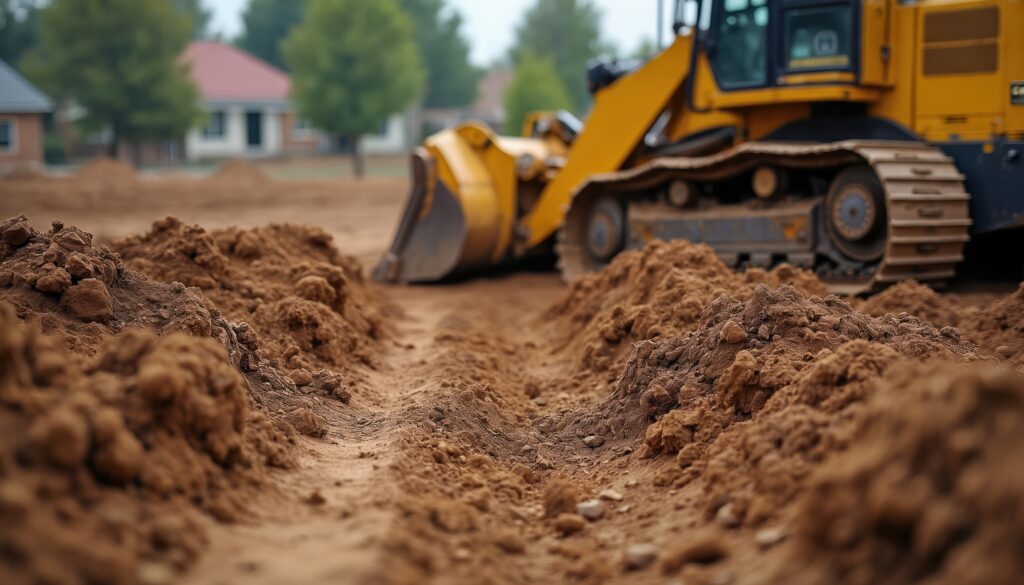
Many Idaho regions contain basalt, fractured rock, or shallow bedrock. Rock excavation requires specialized equipment and significantly increases site prep costs.
As of 2026:
- Rock excavation commonly ranges from $75 to $200 per cubic yard
- Blasting, if required, may add $15,000 to $40,000+
Rock affects not only foundation excavation but also trenching and septic installation. Early soil evaluation can identify these risks before purchase.
Impact on Foundations and Utilities
Barndominiums often rely on slab-on-grade foundations, which are most cost-effective on stable, relatively flat soils. Rock-heavy sites may require additional excavation or alternative foundation designs, increasing both cost and complexity.
Combining Utility and Site Prep Costs: A Realistic Budget
When combined, Idaho rural utilities and site prep often total:
- Well: $15,000–$35,000
- Septic: $10,000–$45,000
- Power extension: $3,000–$35,000
- Trenching: $5,000–$25,000
- Rock excavation and grading: $10,000–$50,000+
For most rural barndominium projects in 2026, realistic total utility and site prep costs fall between:
- $75,000 and $120,000, with complex sites exceeding that range
Why Utility Planning Should Happen Before Land Purchase
Preventing Budget Shock
From experience, the most common financial mistake is buying land first and pricing utilities later. This approach often leads to stalled projects or major redesigns when costs exceed expectations.
Builder Involvement Saves Money
Cascade Custom Construction routinely reviews land for clients before purchase, helping identify:
- Septic risks
- Power access challenges
- Rock excavation exposure
- Realistic utility budgets
Early evaluation often saves tens of thousands of dollars by avoiding unsuitable parcels altogether and aligns with guidance on how to choose the right builder for your barndominium.
Frequently Asked Questions About Barndominium Utilities in Idaho
How much do utilities cost for a rural barndominium in Idaho?
Most rural projects in 2026 range from $75,000 to $120,000+ for combined utilities and site prep, depending on land conditions.
What utility cost is hardest to predict?
Rock excavation and septic feasibility create the most variability and should be evaluated early.
Can utility costs exceed the price of the land?
Yes. It is common for utilities and site prep to equal or exceed raw land purchase prices.
Are wells always allowed in Idaho?
Most domestic wells are permitted, but approval depends on groundwater availability and local regulations.
Is solar cheaper than extending power?
Sometimes. For very remote parcels, solar with battery backup can be competitive, but it requires careful cost comparison and long-term planning.
Land affordability alone does not determine whether a barndominium project is financially viable. Wells, septic systems, trenching, rock excavation, and power access define the real cost of rural construction in Idaho. Understanding barndominium utilities in Idaho and planning for them before purchasing land transforms uncertainty into informed decision-making.
For buyers evaluating land or preparing to build, working with an experienced builder who understands Idaho’s terrain, regulations, and true infrastructure costs can prevent expensive surprises. Cascade Custom Construction helps clients plan rural utilities with clarity, ensuring barndominium projects move forward with realistic budgets and confidence from the very beginning.