
<!doctype html>
Ensure Your Idaho Structure Stands Strong Through the Changing Seasons
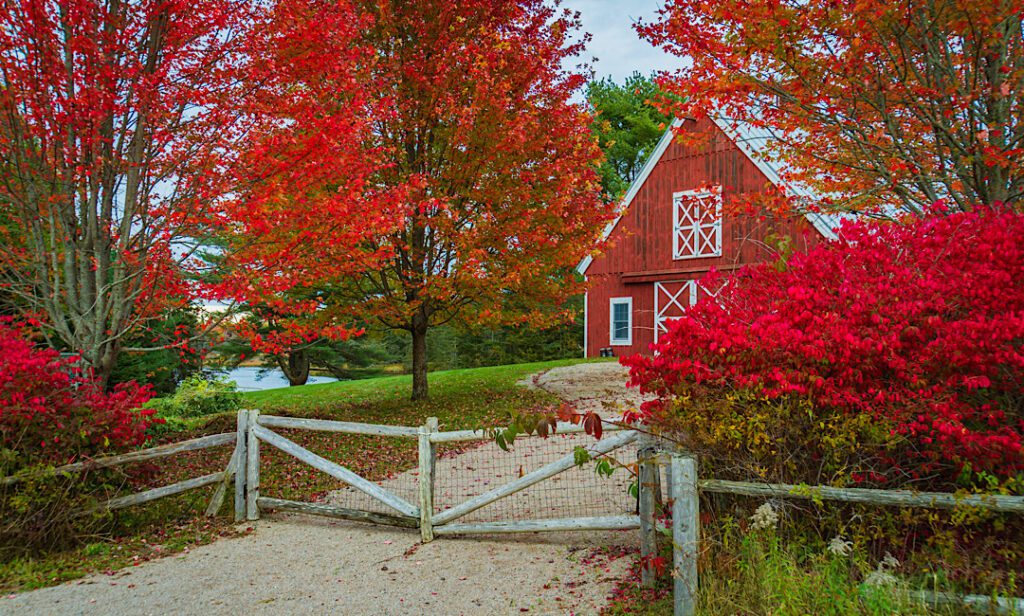
As the vibrant colors of autumn sweep across the Treasure Valley, it’s the perfect time to turn our attention to preparing our properties for the cooler months ahead. For owners of versatile and durable pole barns, a bit of seasonal upkeep goes a long way. Proper autumn barn care ensures your structure remains secure, energy-efficient, and ready to withstand the crisp air, wind, and eventual snow that Boise’s climate brings. This guide covers the essential pole barn maintenance steps to protect your investment.
Your Comprehensive Fall Maintenance Checklist
1. Roof and Gutter Inspection
Your pole barn’s roof is its primary shield against the elements. Before the wet season starts, check the roof panels for loose screws, sealant failure, rust spots, and damaged or missing fasteners. Tighten and replace where necessary. Clean gutters and downspouts thoroughly to remove leaves, pine needles, and debris that can lead to clogs and ice dams. Ensure downspouts extend far enough away from the building foundation to prevent erosion and water pooling.
2. Siding and Wall Integrity
Walk around the perimeter of your barn and examine the siding for dents, loose panels, sealant gaps, and signs of corrosion. Pay special attention to the areas around windows, doors, and utility penetrations. Touch up any exposed metal with rust-inhibiting paint and reseal joints where needed. Check the grade around your barn to ensure water flows away from the foundation.
3. Doors, Windows, and Entryways
Large rolling doors and windows are key features of most pole barns. Inspect the rollers, tracks, hinges, and locks for wear and proper alignment. Lubricate moving parts and replace damaged weatherstripping to keep drafts out. Clean the glass for maximum light and visibility, and ensure all seals are intact to preserve energy efficiency.
4. Ventilation and Insulation Check
Proper ventilation is essential year-round, not just in the summer. Ensure ridge vents, soffits, and gable vents are clear and functional. Inspect insulation for moisture, compression, or damage. If you notice condensation or cold spots, it may be time to upgrade insulation or add a vapor barrier to prepare for winter.
5. Foundation, Posts, and Floors
Examine the base of your barn, including posts, for signs of shifting, cracking, or rot. Check for gaps between the floor and walls where pests could enter. If your barn has a concrete floor, fill any cracks before freeze-thaw cycles make them worse. Sweep and wash the floor to remove dust and debris that can attract moisture.
6. Electrical, Lighting, and Safety
Test all outlets, switches, lights, and exterior fixtures. Replace burnt-out bulbs with energy-efficient LEDs. Confirm that smoke detectors, carbon monoxide detectors, and fire extinguishers are functional and accessible. Label and organize your electrical panel if needed.
7. Tools, Equipment, and Storage
Fall is a great time to organize your interior. Inspect power tools for frayed cords and dull blades, and store seasonal equipment properly. Keep winter tools like snow shovels and ice melt easily accessible. Consider adding shelving, hooks, or cabinets to improve storage and workflow for the months ahead.
Did You Know?
- Pole barns, technically called post-frame buildings, use large posts buried in the ground or anchored to a foundation, providing exceptional strength with fewer materials.
- Proper ventilation is just as important in winter as in summer. It reduces condensation, which helps prevent rust, corrosion, and mold.
- The metal siding and roofing common on pole barns are highly durable and low-maintenance when inspected seasonally and kept clean.
Prepping for the Boise Climate
The Boise area is known for its dry climate and significant temperature swings between day and night. As autumn progresses, chilly mornings and evenings can stress building materials and hardware. Focus on sealing air leaks around doors and windows, maintaining ventilation paths to reduce condensation, and ensuring your roof and gutters are ready for increased precipitation. If your barn is used for livestock or temperature-sensitive storage, consider adding a programmable thermostat and space heaters rated for your building type.
Quick Reference Maintenance Table
| Task | What to Check | Action | Frequency |
|---|---|---|---|
| Roof & Gutters | Loose screws, rust, clogs | Tighten/replace, clean gutters | Seasonal |
| Siding & Walls | Loose panels, gaps, corrosion | Reseal, touch-up paint | Seasonal |
| Doors & Windows | Weatherstripping, rollers, locks | Lubricate, replace seals | Seasonal |
| Ventilation & Insulation | Clear vents, insulation condition | Clear obstructions, repair/upgrade | Seasonal |
| Foundation & Floors | Cracks, gaps, moisture | Seal cracks, improve drainage | Seasonal |
| Electrical & Safety | Outlets, fixtures, detectors | Test/replace, ensure access | Seasonal |
| Tools & Storage | Cords, blades, organization | Repair, organize, stage winter tools | Seasonal |
Build a Structure Designed for Idaho
Proper maintenance keeps your pole barn in peak condition, but quality construction is the foundation. If you’re planning a new build or considering upgrades, Cascade Custom Construction designs and builds pole barns that are tailored to Idaho’s climate—with durable materials, smart ventilation, and energy-efficient options. We’re here to help you protect and enhance your investment.
Learn About Our Custom Pole BarnsFrequently Asked Questions
A thorough inspection is recommended at least twice a year—once in the spring and once in the fall. Seasonal checks help you catch minor issues early, preventing costlier repairs later.
The primary risks include water damage from clogged gutters, ice dams, wind-driven rain, and condensation from poor ventilation. Regular maintenance and weatherproofing help mitigate these risks.
Most of the tasks outlined can be handled by a capable DIYer using basic tools. For roof work, structural repairs, or electrical issues, consider hiring professionals for safety and quality assurance.
Ensure that soffit vents and ridge vents are clear of obstructions. If you notice condensation on metal surfaces or a musty smell, improve airflow and consider adding or upgrading vapor barriers and insulation.